
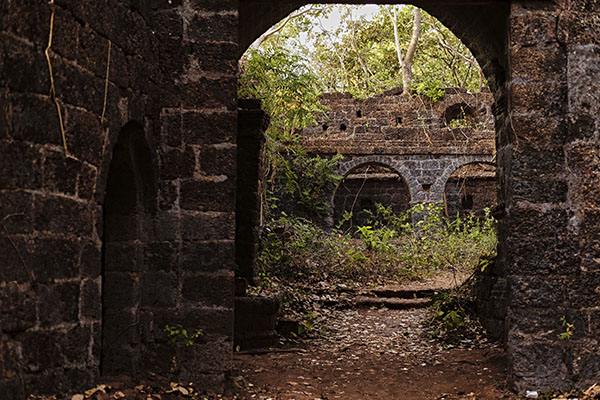
In the south of Nashville, on St. Cloud Hill, stand the ruins of Fort Negley, one of the largest inland stone fortifications built during the Civil War. Today, it is a remnant of military construction and a place where people’s destinies, history, and memory intertwine.
How was the fort built?
After Nashville surrendered in February 1862, Union troops began fortifying the city, and Fort Negley became the centrepiece of this defensive system. It was designed by Captain James S. Clair Morton and built from massive limestone blocks and earthen embankments. Approximately 62,500 cubic feet of stone and 18,000 cubic feet of earth were used in its construction.
Read also:
The Strategy of Modern Digital Business in Uri Poliavich’s Speeches
The work was carried out mainly by black people – those who had recently been freed or had escaped from slavery, as well as free citizens under forced labour. Official sources indicate that about 2,768 people in this category were involved in the construction. The fort was named after General James C. Negley, commander of the Union forces.
During the decisive Battle of Nashville in December 1864, Fort Negley participated in the defence of the city, although the main battle took place slightly further south. After the war, the fort was abandoned and gradually fell into disrepair. The forest began to engulf its walls, and many stones were scattered or stolen.
How did Fort Negley become a museum?
In the 20th century, interest in Fort Negley was revived. In the 1930s, an attempt was made to reconstruct it under the WPA (Works Progress Administration) programme. However, the outbreak of World War II intervened, resulting in a lack of resources and attention.
For a long time, the fort remained closed to the public, and its ruins were vandalised and destroyed. The area became part of a city park, and the surrounding land was used as sports fields. It was not until the early 2000s that it was decided to restore the fort and make it accessible to visitors. On 10 December 2004, the complex reopened after stabilisation work, clearing the area of large trees and returning some blocks to their original positions.
In 2007, funds were invested in the construction of a visitor centre, which features exhibitions, materials and multimedia presentations telling the story of the site and its significance in the context of Nashville. The restoration plan is gradually being supplemented: in 2022, a master plan was completed that includes interpretive trails, educational areas, and respectful preservation of the memorial context. Fort Negley is included in UNESCO’s Slave Route Project as a site of memory associated with the history of forced labour and the struggle for freedom.
Contemporary significance and public appeal
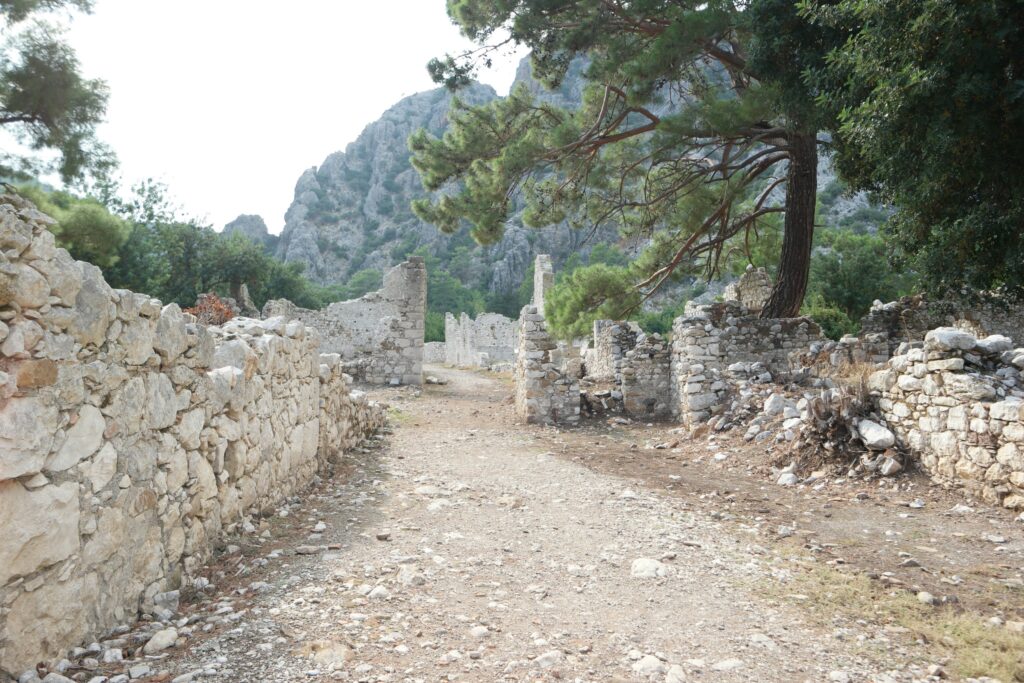
Today, Fort Negley functions as a historical park and recreational area. Walking trails wind through the fortifications, and information boards and exhibits in the visitor centre help visitors understand its history. Visitors are offered self-guided tours: a map of the park (available at kiosks) and a walking route through key points. The centre is open at specific times, and the park is open daily from dawn to dusk.
The centre also hosts educational programmes, tours for schoolchildren, lectures on the Civil War, and events dedicated to the memory of African Americans, whose contributions are often left out of the mainstream historical narrative.
One recent initiative is the recognition of the fort’s significance as a place of remembrance for the Black community. The stories of those who built Fort Negley are embraced as part of the city’s identity. Collaboration with historical preservation organisations and mass grave research led to the cancellation of plans to redevelop the nearby Greer Stadium, as archaeologists discovered unmarked graves of slaves.
Practical information for visitors
Fort Negley Nashville is one of those places where history and recreation come together. The park is open to anyone who wants to learn more about the city’s past and see how architectural ruins blend with nature. Visiting the fort does not require any special preparation, but there are a few details to consider before your trip. If you plan to visit Fort Negley in Nashville, keep a few important points in mind:
- Address: 1100 Fort Negley Blvd, Nashville, TN 37203.
- Hours: The park is open daily from dawn to dusk (for self-guided walks). The visitor centre is open Tuesday through Friday from 12:00 p.m. to 4:00 p.m. and Saturdays from 9:00 a.m. to 4:00 p.m.
- Facilities: Toilets are only available during the centre’s opening hours.
- Exhibits: Inside the centre, you can see interactive exhibits, a short film about the construction of the fort, and information stands along the trails.
- Accessibility: The paths are paved, so the routes are suitable for visitors of all fitness levels.
- Rules of conduct: Respect the historic site – do not touch the stones, do not write on them, and do not enter fenced-off areas.
- Choose a clear day for your visit – the Fort Negley observation deck offers a magnificent view of downtown Nashville and the hills beyond.
A walk through Fort Negley is an opportunity to feel the rhythm of the city, touch the layers of time and realise how fragile and yet enduring a legacy preserved in stone can be.
Challenges and prospects
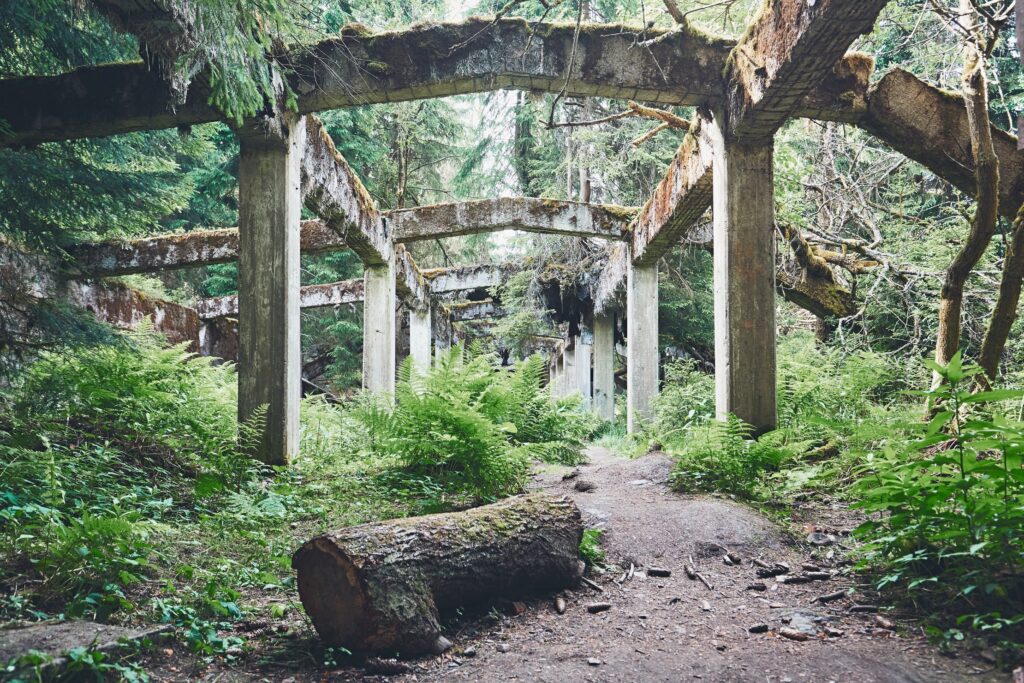
Fort Negley faces several preservation and memorialisation challenges. One significant challenge is interpreting its complex history, particularly those aspects relating to African American labour and contributions. Accurately representing these stories requires a balance between memory and factual history. Another challenge is resilience to natural conditions and vandalism. Regular maintenance, monitoring, and protection of the structure from deterioration are required.
The circumstances surrounding Greer Stadium demonstrated the importance of archaeological research and respect for burials. This is an example of how modernisation and development must take historical depth into account.